Why Your DIY Concentrates Fall Flat (And the Fixes That Actually Work)

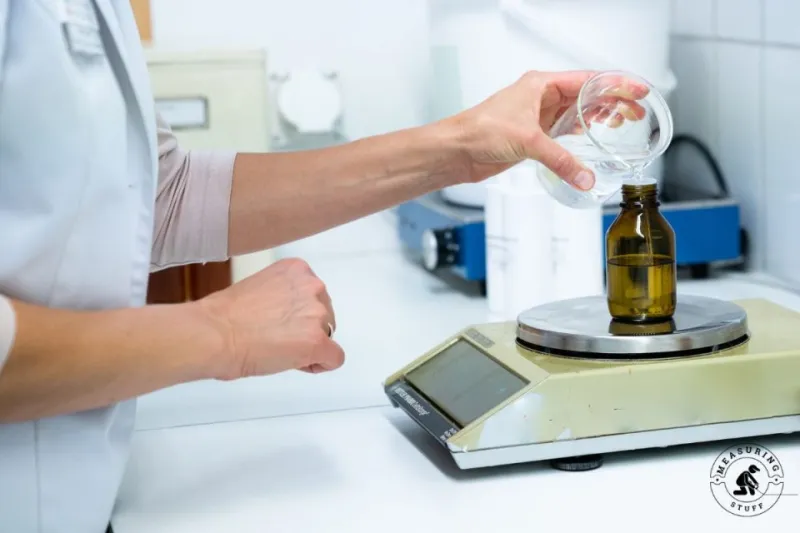
Photo: http://en.wikipedia.org/wiki/User:Iain, Copyrighted free use, via Wikimedia Commons
You followed the recipe. You used real fruit, good-quality alcohol, and let everything steep for weeks. So why does your homemade raspberry extract taste like faintly pink vodka while the bottle from the specialty grocery store tastes like biting into an actual berry?
This is the concentrate paradox, and it trips up home cooks constantly. The frustrating part is that the gap between your version and a professional one isn't about access to exotic ingredients. It's about a handful of technical factors that most recipes never bother to explain.
Let's break down what's actually happening — and more importantly, what you can do about it.
The Particle Size Problem Nobody Talks About
When commercial producers create a concentrated fruit extract, one of their biggest advantages is control over particle size. Flavor compounds get released more fully and evenly when the source material is broken down to a very fine, consistent level before or during extraction.
At home, you're probably macerating whole or roughly chopped fruit. That means you're only pulling flavor from the outer surface and whatever breaks down naturally over time. A commercial producer might use industrial blending, cold-press systems, or enzymatic breakdown to rupture cell walls far more aggressively — releasing a dramatically higher percentage of available flavor compounds.
The fix: Use a high-powered blender to pulverize your fruit before steeping, rather than leaving it whole or roughly chopped. For citrus, that means zesting finely and then blending the zest into your base liquid before extraction begins. For berries, fully puree them first, then strain after steeping. You'll notice a significant intensity difference immediately.
For an even more dramatic improvement, look into a fine mesh straining setup with cheesecloth layered three or four times deep. The goal is to remove solids while keeping as many dissolved flavor compounds as possible in suspension.
Emulsification: The Hidden Reason Your Extract Separates
Here's something commercial extract producers spend serious money on: keeping everything in stable suspension. Many flavor compounds — especially those from oils in citrus peel, vanilla beans, or spices — are lipophilic, meaning they bind to fats rather than water. When you're working with an alcohol or water-based extract, these oil-soluble compounds don't fully integrate. They float, separate, or settle, which means every time you shake the bottle you're getting an inconsistent product.
Commercial manufacturers use emulsifiers, often natural ones like lecithin or gum arabic, to bridge the gap between fat-soluble flavor molecules and water-based carriers. This keeps flavor evenly distributed throughout the liquid.
The fix: Add a small amount of sunflower lecithin (available at most health food stores and online) to your homemade concentrates. A quarter teaspoon per cup of finished extract is usually enough to create a noticeably more stable, evenly flavored product. For citrus-based concentrates especially, this single change can transform the consistency of your results.
If you want to go further, an immersion blender used directly in your extract jar after adding lecithin will help emulsify everything more thoroughly than shaking alone.
The Stability Issue: Why Your Concentrate Degrades Faster
Commercial concentrates are formulated to stay potent and stable over time. Home versions often lose their punch within weeks of production, not because something went wrong, but because there's no stabilization strategy in place.
Oxidation is the main culprit. Every time you open your extract jar, oxygen interacts with volatile aromatic compounds and slowly degrades them. Light exposure accelerates this further.
There's also microbial stability to consider. If your alcohol content is too low, or if you're working with water-heavy infusions, you're creating conditions where mold or bacteria can take hold over time — especially with fruit-based concentrates.
The fix: Store everything in dark glass bottles, not clear ones. Fill containers as close to the top as possible to minimize air space. For alcohol-based extracts, aim for at least 35% alcohol by volume in your finished product — this generally means using 80-proof spirits as your base. If you're making water-based concentrates, add a small amount of citric acid (about an eighth of a teaspoon per cup) as a natural preservative and pH stabilizer.
For long-term storage, a vacuum-seal pump attachment for mason jars is a genuinely useful tool here. Pulling the air out before sealing extends shelf life considerably.
Temperature Control During Extraction
This one surprises a lot of people. Many home recipes suggest cold or room-temperature maceration, which is gentler and does preserve some delicate aromatic compounds. But it also extracts much more slowly and incompletely.
Commercial producers often use precisely controlled warm extraction processes — not boiling, but sustained low heat — that dramatically speed up and intensify flavor transfer. The trick is that too much heat destroys volatile aromatics, so the window is narrow.
The fix: For most fruit and spice concentrates, a slow cooker on its lowest setting (usually around 140–150°F) for two to four hours can replicate a warm extraction process at home. Keep the lid slightly ajar to prevent pressure buildup, and monitor temperature with a cheap candy thermometer. This method works particularly well for vanilla, cinnamon, ginger, and stone fruit extracts.
For delicate floral extracts — lavender, rose, elderflower — stick to cold extraction, since heat will flatten the very compounds that make those flavors interesting.
Concentration Ratios and the Reduction Step
One final piece of the puzzle: professional concentrates are often reduced after initial extraction, meaning liquid is evaporated off to intensify what remains. Home cooks frequently skip this step entirely, ending up with something that's more of an infusion than a true concentrate.
The fix: After your initial extraction and straining, transfer your liquid to a wide, shallow pan and reduce it gently over very low heat. A 30–40% reduction in volume will noticeably intensify flavor. Do this slowly, and taste as you go — it's easy to overshoot.
Just be aware that alcohol-based extracts should not be reduced over open flame. Use a water bath setup or a dedicated electric warming plate for safety.
The Bigger Picture
None of this means your homemade concentrates are destined to be inferior. In fact, the advantage you have over any commercial producer is freshness and customization. A homemade strawberry extract made with fruit from a local farm, properly emulsified and reduced, can absolutely outperform a mass-market bottle on flavor complexity.
The key is understanding that concentration is a technical process, not just a waiting game. Apply even two or three of these fixes to your next batch, and the difference will be immediately obvious — in the aroma when you open the jar, in the way the flavor carries through a finished dish, and in how long the intensity actually lasts.
Kind concentrates start with knowing what kind of result you're actually after. Now you have the roadmap to get there.