Why Less Is More: The Real Chemistry Behind Concentrated Flavor (And What Pro Chefs Know That You Don't)
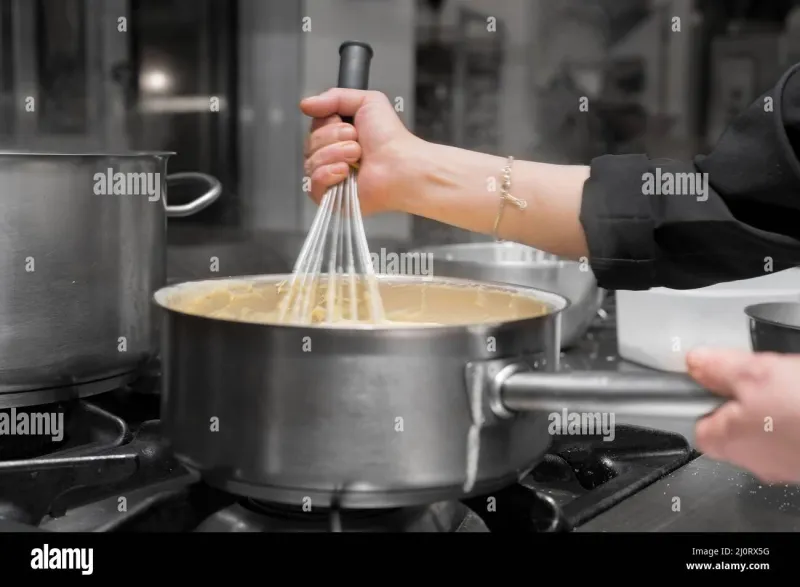
Photo: chef reducing sauce in pan professional kitchen close up, via c8.alamy.com
There's a moment in almost every home cook's life when they taste something at a restaurant — a sauce, a broth, a glaze — and think, how is this so much more intense than anything I make at home? The ingredients don't seem exotic. The technique doesn't look complicated. But somehow, the flavor hits differently.
The answer almost always comes down to concentration. Not just reducing a liquid, but understanding why and how flavor compounds behave when you strip away water, apply heat, or use time as an ingredient. Professional chefs have been working with these principles for decades. And once you understand the basics, you'll never look at your pantry the same way.
Flavor Is Chemistry — Literally
Every ingredient you cook with is a cocktail of volatile and non-volatile compounds. The volatile ones are what you smell — they evaporate easily and hit your nose before the food even touches your tongue. Non-volatile compounds are what you taste directly: sweetness, bitterness, umami, acidity.
When you concentrate a liquid — whether that's a stock, a citrus juice, or an herb infusion — you're doing two things simultaneously. You're removing water, which increases the ratio of flavor compounds per unit of volume. But you're also triggering chemical reactions: caramelization, Maillard browning, and the breakdown of larger molecules into smaller, more intensely flavored ones.
This is why a properly reduced veal stock tastes nothing like the liquid you started with. You haven't just made it saltier or more savory — you've fundamentally transformed its chemical makeup.
What Evaporation Actually Does (And When to Stop)
Reduction is the most familiar concentration technique, and also the most misunderstood. A lot of home cooks treat it like a timer — just boil until it looks thick enough. But chefs pay attention to what's actually happening at different stages.
In the early phase of reduction, you're mostly losing water. Flavor intensity increases proportionally, and the liquid gets a little thicker. This is your sweet spot for stocks and pan sauces — somewhere between 25% and 50% reduction, depending on your starting point.
Push further, and you start hitting the Maillard zone. Sugars and amino acids react under heat to create entirely new flavor compounds — hundreds of them, depending on the ingredients. This is where that deep, almost nutty complexity comes from in a properly made demi-glace or a long-cooked tomato paste.
Go too far, and you get scorching and bitterness. The goal isn't maximum reduction — it's optimal concentration, which varies by ingredient and application.
"I think about reduction like tuning a guitar," says one line cook at a Chicago fine dining restaurant who asked to remain anonymous. "You're tightening the string, but if you go past the right pitch, you've just broken it. Every ingredient has its sweet spot."
Cold Infusion: The Slower, Gentler Path
Not every flavoring benefits from heat. Delicate aromatics — citrus zest, fresh herbs, certain spices — can lose their most interesting volatile compounds when exposed to high temperatures. This is where cold infusion earns its place in the pro toolkit.
Cold infusion is simple in concept: you submerge your flavoring agent in a neutral carrier (oil, alcohol, water, or a sugar syrup) and let time do the work. The process is slower — anywhere from a few hours to several weeks — but the resulting extract often has a brighter, more nuanced profile than heat-processed versions.
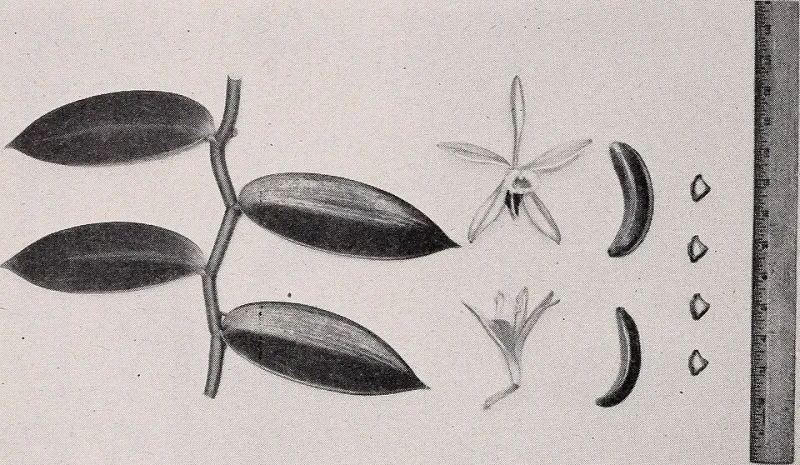
This is the principle behind most high-quality vanilla extracts, citrus concentrates, and herbal tinctures. The alcohol (or glycerin, in alcohol-free versions) draws out flavor compounds that water alone can't capture, and because there's no heat involved, those delicate top notes stay intact.
At home, this approach is surprisingly approachable. A mason jar, some quality spirit, and a handful of your chosen flavoring agent is all you need to start. The patience part is harder.
Pressure, Time, and the Instant Pot Effect
High-pressure cooking has changed the game for home cooks looking to achieve professional-level concentration in a fraction of the time. Under pressure, water boils at a higher temperature, which accelerates the chemical reactions that build flavor depth.
Chefs have used commercial pressure cookers for years to make stocks in under an hour that would traditionally take six or more. The results are remarkably clear and intensely flavored — because the higher temperature extracts more collagen and gelatin from bones quickly, without the prolonged evaporation that can make a stock taste flat or overcooked.
For home cooks with an Instant Pot or similar appliance, this is a genuinely useful shortcut. A chicken stock made under pressure for 45 minutes can rival a stovetop stock simmered for three hours, with significantly less water loss — meaning you can reduce it further afterward if you want even more intensity.
The Role of Concentrated Extracts in the Pro Kitchen
Here's something the restaurant industry has known for a long time that home cooks are only starting to catch on to: high-quality concentrated extracts and essences aren't a shortcut or a cheat. They're a precision tool.
When a pastry chef adds a few drops of pure almond extract to a tart filling, they're not compensating for a lack of fresh almonds. They're dialing in a specific flavor note with a level of control that fresh ingredients alone can't always provide. Extracts and concentrates are consistent. They don't vary by season or ripeness. And because they're already concentrated, a small amount delivers a significant impact.
The same logic applies to citrus concentrates, vanilla bean paste, and even savory extracts like mushroom or anchovy concentrates. These aren't replacements for fresh — they're amplifiers. Used thoughtfully alongside fresh ingredients, they add a dimension of depth that's hard to achieve any other way.
Bringing It Home: Practical Principles for Your Kitchen
You don't need a culinary degree or commercial equipment to apply these ideas. A few principles go a long way:
Reduce with intention. Don't just boil things down — taste as you go. Know what you're trying to achieve before you start.
Use cold infusion for delicate flavors. If an ingredient smells amazing raw, don't cook it. Let it steep instead.
Think in ratios, not recipes. Once you understand that concentration is about increasing flavor-to-water ratio, you can apply the principle to almost anything.
Keep quality concentrates on hand. A well-stocked pantry of high-quality extracts and concentrates gives you access to concentrated flavor on demand — no reduction required.
Flavor concentration isn't a trick. It's a mindset. And once you start thinking like a chef — about why things taste the way they do, not just how to follow a recipe — your cooking changes pretty quickly.