5 Liquid Extracts Bakers Sleep on Every Single Season (And Exactly How to Use Them)

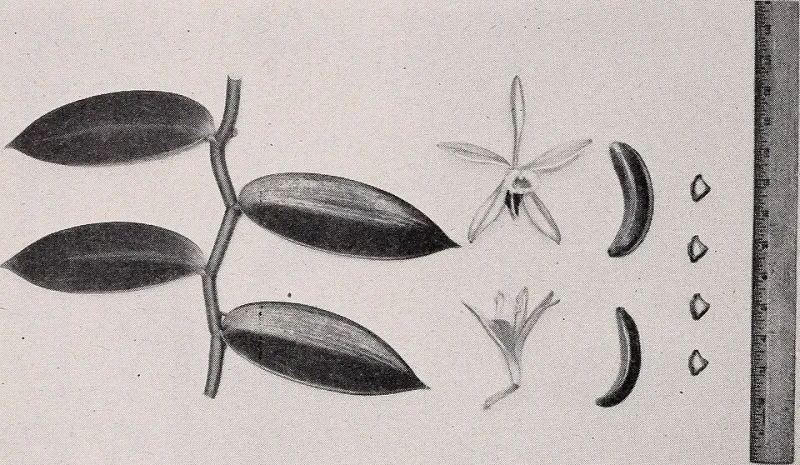
Photo: Piropr01, CC BY-SA 4.0, via Wikimedia Commons
Vanilla extract is the undisputed MVP of the baking world. It's in almost every recipe, it's on every grocery store shelf, and it's been earning its spot in American kitchens for generations. No argument there.
But here's the thing: vanilla is just the beginning. The world of liquid extracts and concentrated essences is genuinely vast, and most home bakers are working with maybe 10% of what's out there. The other 90%? It's sitting in specialty stores and online shops, waiting to completely change how your baked goods taste.
These aren't gimmicks or trendy ingredients that'll collect dust after one use. These are precision flavor tools — concentrated, consistent, and designed to do a lot with a little. Here are five that deserve a permanent spot in your baking rotation.
1. Pure Almond Extract: The Secret Weapon You're Probably Under-Using
Flavor profile: Warm, nutty, slightly sweet, with a distinctive aromatic quality that reads as "bakery" to most people's brains.
Why it matters: Almond extract is derived from bitter almond oil (or a synthetic equivalent called benzaldehyde in lower-quality versions — always look for "pure" on the label). It's intensely concentrated, which means a little goes a very long way.
Here's the thing most recipes don't tell you: almond extract isn't just for almond-flavored desserts. In small amounts — think ¼ teaspoon in a batch of sugar cookies or a vanilla cake — it acts as a flavor enhancer, making other flavors taste more rounded and complex without announcing itself. This is a trick pastry chefs use constantly.
Recommended ratio: Start at ¼ tsp per batch of cookies or a standard 9-inch cake. For almond-forward applications (marzipan, financiers, amaretti), you can push to ½–¾ tsp. This extract is potent — overshooting it can tip into medicinal territory fast.
Try it in: Cherry pie filling (almond and cherry are a natural pairing), classic pound cake, shortbread cookies, or blended with vanilla in a simple buttercream.
2. Cardamom Extract: The Spice Drawer, Liquefied
Flavor profile: Floral, citrusy, slightly piney, with a warmth that's more complex than cinnamon and more interesting than most single spices.
Why it matters: Ground cardamom is wonderful, but it's inconsistent — the potency varies dramatically depending on freshness and grind. Cardamom extract solves that problem entirely. It's pre-concentrated, shelf-stable, and delivers the same flavor punch every single time.
Cardamom has deep roots in Scandinavian baking (think Swedish cardamom buns) and South Asian sweets, but it's increasingly showing up in American bakeries and home kitchens as people look for flavors that feel a little more interesting than the standard cinnamon-vanilla lane.
Recommended ratio: ¼ to ½ tsp per standard recipe. Cardamom extract is strong, and its floral notes can overwhelm a dish if you overdo it. Start conservative and taste as you go.
Try it in: Banana bread (it transforms it), apple crumble, rice pudding, chai-spiced shortbread, or stirred into cream cheese frosting for a carrot cake upgrade.
3. Orange Blossom Water Concentrate: Floral Without Being Fussy
Flavor profile: Delicate, perfumed, floral, with a soft citrus undertone that doesn't read as "orange" so much as "ethereal."
Why it matters: Orange blossom water has been a staple in Middle Eastern and North African baking for centuries, and it's having a serious moment in American pastry circles right now. The concentrated version gives you more control than the traditional water-based product — a few drops replaces what would otherwise be a tablespoon or more of the diluted version.
It pairs remarkably well with honey, pistachios, almond, and stone fruits. It also works beautifully in simple syrup for soaking cakes or drizzling over fresh fruit desserts.
Recommended ratio: Because concentrates vary by brand, start with just 3–5 drops per recipe and adjust from there. The goal is a gentle floral note in the background — not a perfume counter experience.
Try it in: Honey cake, pistachio cookies, pound cake glaze, whipped cream for fruit tarts, or a simple syrup for soaking génoise layers.
4. Lemon Extract: Not the Same as Lemon Juice (Not Even Close)
Flavor profile: Bright, sharp, intensely citrusy — like lemon zest turned up to eleven, without any of the acidity.
Why it matters: This one surprises people. Lemon juice adds acidity and liquid to a recipe. Lemon zest adds brightness and a little texture. But lemon extract? It adds pure, concentrated citrus flavor without changing the liquid ratio or the pH of your batter — which matters more than most home bakers realize.
Acidity affects how leaveners work. Too much lemon juice in a recipe that's already calibrated for a specific acid level can throw off your rise. Lemon extract sidesteps all of that. You get the flavor, none of the chemistry complications.
Recommended ratio: ½ to 1 tsp per standard cake or cookie recipe. For lemon bars or lemon curd where you want a really forward citrus punch, you can use up to 1½ tsp alongside fresh juice.
Try it in: Lemon poppy seed muffins, lemon drop cookies, blueberry coffee cake, lemon cream cheese frosting, or any recipe where you want citrus flavor without added liquid.
5. Rose Extract: The Underdog with Serious Range
Flavor profile: Floral, slightly sweet, delicate — like the best-smelling rose you've ever encountered, translated into flavor.
Why it matters: Rose extract (distinct from rose water, which is much more diluted) is one of the most misunderstood extracts in American baking. A lot of people associate it with overpowering, soapy floral flavors — but that's almost always a dosing problem, not a flavor problem. Used correctly, rose extract adds a sophisticated, romantic quality to desserts that's genuinely hard to replicate any other way.
It pairs especially well with chocolate (a classic combination in Persian and Turkish confections), raspberry, lychee, and vanilla.
Recommended ratio: Go slowly here. Start with just 2–3 drops per recipe. Rose extract is one of the most concentrated flavor extracts you'll encounter — a little truly is a lot.
Try it in: Dark chocolate truffles, raspberry macarons, rosewater shortbread, vanilla panna cotta, or a subtle addition to strawberry jam for a more complex flavor profile.
A Note on Quality — Because It Really Does Matter
With all of these extracts, the difference between a pure, high-quality product and a synthetic bargain-bin version is significant. Look for the word "pure" on the label, check the ingredient list (it should be short), and buy from suppliers who are transparent about sourcing.
Concentrated extracts and essences are fundamentally about purity — that's the whole point. The more concentrated the flavor, the more the quality of the source material matters. A great extract is like a great stock: there's nowhere to hide.
Your baking is only as interesting as your ingredient toolkit. These five extracts are a pretty good place to start expanding it.