Don't Open It Until You Know: Reading a Concentrate Before the Seal Is Broken
By the time most people realize a concentrate isn't right, they've already stirred it into something. The flavor lands flat, or off, or weirdly synthetic, and the dish is already committed. The extract is back on the shelf. The recipe is quietly abandoned.
It doesn't have to go that way. A surprising amount of information about a concentrate's quality is available before you ever break the seal — if you know what you're looking for. This isn't about being precious or difficult. It's about getting what you actually paid for, and not wasting time or money on products that weren't going to deliver.
Here's how to read a concentrate before it ever hits your kitchen.
Start With the Packaging, Not the Label Claims
The label will tell you what the company wants you to think about the product. The packaging will tell you something more honest.
Glass matters. For most liquid concentrates and extracts, glass is the right container — it doesn't interact with the contents, it doesn't leach anything, and it's a signal that the producer cares about long-term quality. Plastic isn't automatically a dealbreaker, but it warrants more scrutiny, especially for anything acidic or alcohol-based. Some compounds in flavor concentrates can interact with certain plastics over time, affecting both flavor and stability.
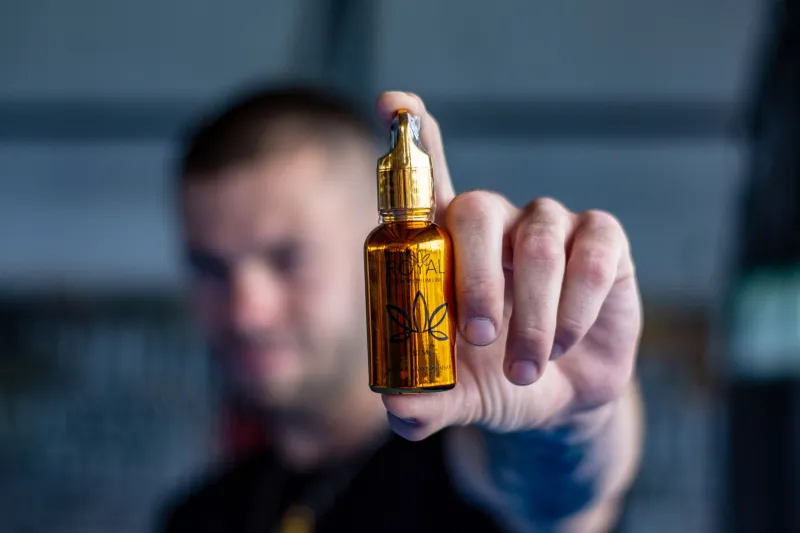
Dark glass is better than clear for most extracts. Light degrades volatile aromatic compounds — the exact things that make a quality concentrate worth buying. A product packaged in clear glass and displayed under store lighting has likely already lost something. A dark amber or cobalt bottle suggests the producer understands what they're protecting.
Look at the closure. A proper seal — whether that's a metal cap with a freshness liner, a dropper with a secure stopper, or a tamper-evident band — indicates that someone thought about the product's integrity after the bottle was filled. A loose or poorly fitted cap on a small bottle of something expensive is worth noting.
What the Label Actually Tells You (And What It's Hiding)
Ingredient lists on concentrates are worth reading carefully, and the shorter they are, the more informative they tend to be.
A quality vanilla extract, for example, should list vanilla bean extractives and alcohol. Maybe water. That's it. When you start seeing propylene glycol, artificial flavors, or a cascade of stabilizers and preservatives in a product marketed as a premium extract, those additions are doing work that the base ingredient isn't strong enough to do on its own. That's not necessarily fraud — it's just not concentration. It's formulation.
"Natural flavor" deserves particular attention. The FDA definition of natural flavors is broad enough to include a wide range of processing methods and source materials. It doesn't mean the flavor comes from what you'd assume it comes from. A strawberry concentrate that lists "natural flavor" as a primary ingredient may contain very little actual strawberry. A quality strawberry concentrate will list strawberries — or strawberry juice, or strawberry puree — prominently and specifically.
Look for a concentration statement or usage guidance on the label. Producers who are confident in their product's potency will tell you to use less of it. A label that gives you no usage guidance — or implies you should use the product generously — is sometimes a signal that the product isn't as concentrated as the packaging suggests.
Color, Clarity, and Consistency: What You Can See Through the Bottle
For products in clear or lightly tinted packaging, visual inspection is genuinely useful.
Color should match your expectations for the source ingredient, accounting for concentration. A tomato-based concentrate should be a deep, rich red — not pink, not orange-pink, not watery. A mushroom concentrate should be dark and dense. A citrus oil should be vividly colored and slightly viscous. If the color looks washed out for what the product claims to be, that's worth questioning.
Clarity tells you different things depending on the product type. Some concentrates are meant to be completely clear — certain citrus extracts, for example. Others are naturally opaque or have visible particulate from real source material. Neither is automatically better, but both should match what the product description tells you to expect. Unexpected cloudiness in something that should be clear, or unexpected separation in something that should be uniform, can indicate instability or age.
Viscosity — how thick the product looks — is another indicator. Highly concentrated products tend to have more body than their diluted counterparts. A thin, watery liquid in a bottle labeled "concentrated" is at minimum worth a closer look.
Asking the Right Questions Before You Buy
If you're purchasing from a specialty retailer, a farmers market vendor, or directly from a producer, you have options that a grocery store aisle doesn't offer: you can ask questions.
Good questions to ask include: Where does the source ingredient come from? What's the approximate concentration ratio — how much fresh ingredient goes into a unit of this product? Has this batch been tested for flavor consistency? What's the recommended usage rate for common applications?
Producers who can answer those questions confidently, with specifics, are generally worth trusting. Vague answers — "we source from the best suppliers" or "it's very concentrated" without any elaboration — aren't necessarily red flags on their own, but they should prompt you to look harder at the label before committing.
For online purchases, sourcing transparency on a company's website matters. Does the brand explain their process? Do they disclose where their ingredients come from? Do they publish batch information or freshness dates? The companies investing in that level of transparency are usually investing the same care in the product itself.
The Red Flags Worth Walking Away From
Some signals are consistent enough to treat as rules:
- A price dramatically lower than comparable products in the same category, with no explanation for why
- An ingredient list dominated by fillers, stabilizers, or vague flavor descriptors
- No usage guidance or concentration information anywhere on the label or website
- Packaging that shows signs of light exposure, temperature damage, or poor sealing
- A "natural" claim that isn't backed up by specific, named source ingredients
None of these individually guarantees a bad product. But more than one in combination is usually enough to put the bottle back on the shelf.
The goal isn't to become a suspicious shopper. It's to become an informed one. Quality concentrates — genuinely potent, carefully sourced, honestly labeled — are out there in good supply. Learning to find them before you open anything is just the first step in using them well.