Spend Less on Ingredients, Charge More for the Plate: The Concentrate Math Chefs Don't Talk About

There's a moment in most cooking conversations where someone drops this line: "Real chefs use fresh everything." It sounds right. It feels virtuous. And in a lot of kitchens across America, it's treated like gospel.
Except it's not how a lot of the best restaurants actually operate.
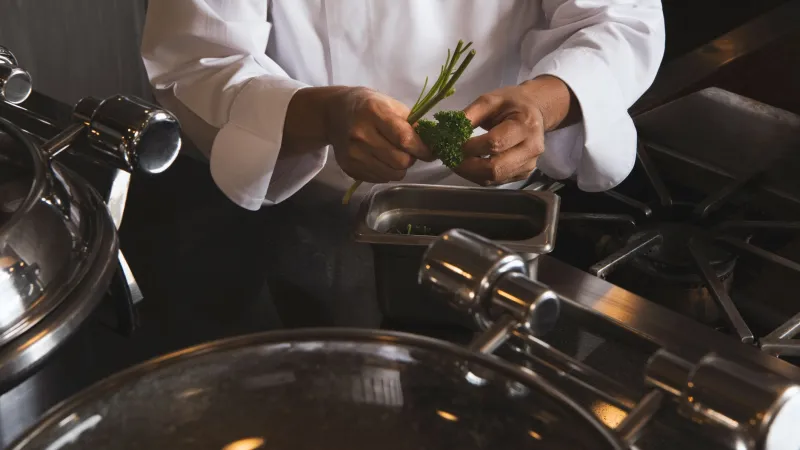
Walk into the prep kitchen of a serious fine dining spot — the kind with a tasting menu and a three-month reservation wait — and you're likely to find concentrated stocks, high-grade flavor extracts, and reduced ingredient bases sitting right next to the fresh produce delivery. These aren't backup plans. They're intentional choices. And here's the part that genuinely surprises people: those concentrated ingredients often increase what a dish sells for, even though they cost less per serving to use.
That's the paradox. Less ingredient volume, higher ticket price. Understanding why that works changes how you think about building a pantry.
The Volume Problem with Fresh
Fresh ingredients have a fundamental limitation that doesn't get talked about enough: they're mostly water. A pound of fresh herbs might sound generous, but you're paying for moisture that evaporates the moment heat enters the picture. Fresh citrus juice oxidizes. Whole vanilla beans require prep time, infusion time, and careful storage. A quart of house-made stock takes hours of reduction just to get to the flavor intensity a chef actually wants.
Concentrated products — whether that's a premium tomato paste, a high-quality flavor extract, or a reduced bone broth base — skip that whole process. The water's already gone. What's left is the flavor, dense and ready to work.
For a restaurant kitchen operating on tight margins and tighter timelines, that matters enormously. Less prep labor, less waste from spoilage, more consistent output across a busy service. But here's where it gets interesting: the result on the plate doesn't read as lesser. Done right, it reads as more.
Why Concentrated Dishes Command Higher Prices
Flavor intensity is a luxury signal in American dining culture. When a sauce has that deep, long-finish richness — the kind that makes you put your fork down for a second — diners don't think "that chef used a concentrate." They think "that's exceptional craft."
And they pay accordingly.
Chefs who've mastered concentrated ingredients understand that what they're selling isn't the volume of stuff on the plate. It's the experience of eating it. A dish built around a beautifully reduced, intensely flavored base costs less to produce per plate than the same dish made with fresh ingredients cooked down to the same result — but the diner tastes more, not less.
That perception gap is where the economics get interesting. Restaurants price based on perceived value, not ingredient cost. When a diner experiences a flavor that feels luxurious, layered, and refined, they calibrate their willingness to pay upward. The chef's job is to engineer that experience. Concentrated ingredients are one of the most reliable tools for doing it.
The Quality Perception Gap
There's a real difference between a high-quality concentrated product and the kind of corner-cutting that gives concentrates a bad reputation.
Cheap bouillon cubes. Artificial flavor extracts. Shelf-stable "juice from concentrate" that tastes vaguely like the fruit it's supposed to represent. These exist, and they've done a lot of damage to how Americans think about concentrated ingredients in general.
But the category of premium concentrates — cold-pressed citrus oils, single-origin vanilla paste, carefully reduced and preserved stock bases, high-quality malt or fruit syrups — is a completely different conversation. These products are made to intensify real flavor, not simulate it. The sourcing matters. The production process matters. The ratio of actual ingredient to water matters enormously.
When chefs choose a premium concentrate, they're not compromising. They're selecting an ingredient that's already done the hard work of concentration for them, with quality control they couldn't match in-house at scale.
What Home Cooks Can Learn from This Math
The restaurant logic translates directly to your home pantry, even if you're not pricing out menu items.
Think about it this way: if you buy a high-quality vanilla bean paste instead of a bottle of cheap imitation extract, you're paying more upfront but using far less per recipe. The cost-per-use often ends up comparable — or even lower — while the flavor output is dramatically better. Same principle applies to a good tomato paste versus canned crushed tomatoes when you want depth in a sauce. Or a quality mushroom powder versus fresh mushrooms when you need that umami backbone without the texture.
The trap most home cooks fall into is comparing the sticker price of a concentrate against the sticker price of the fresh equivalent, then stopping there. That's the wrong calculation. The right question is: what am I actually getting per use, and what's the result on the plate?
Building a Pantry That Works Like a Pro Kitchen
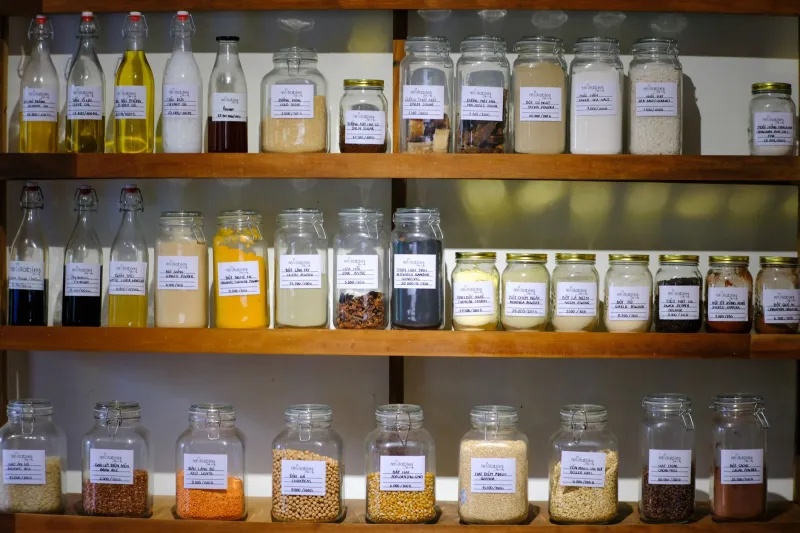
If you want to cook with the efficiency and consistency of a restaurant kitchen — without the staff, the equipment, or the 14-hour days — concentrated pantry staples are a big part of how you get there.
A few principles worth borrowing from the professional side:
Prioritize depth over volume. A small jar of high-quality miso paste, a concentrated citrus oil, or a premium extract will do more work than a large container of a diluted, low-quality version. Buy less, buy better.
Think in ratios, not amounts. Concentrated ingredients require less. When you're cooking with them, you're adding intensity, not bulk. Start small and adjust. This is where a lot of home cooks go wrong — they treat concentrates like a 1:1 swap for fresh and then wonder why the dish tastes aggressive.
Let the concentrate do its job. One of the biggest advantages of a good concentrated ingredient is that it's already balanced. A quality stock base has been reduced and seasoned with that in mind. Trust the product, then adjust around it.
Invest in the categories you cook most. If you bake, the extract and paste section of your pantry deserves real attention. If you're a sauce person, stock bases and concentrated aromatics are worth the splurge. You don't need every premium concentrate — just the ones that show up in your cooking regularly.
The Bigger Picture
The concentrate paradox isn't really a paradox once you understand what's happening. Less ingredient volume doesn't mean less value — it means the value has been condensed. Chefs figured this out through years of working with tight margins and high expectations. The best ones charge more for dishes built on concentrated ingredients because those dishes genuinely deliver more: more flavor, more consistency, more of that hard-to-define quality that makes a meal feel worth remembering.
Your home kitchen can work the same way. Stock it thoughtfully, use concentrates with intention, and the results will speak for themselves — even if nobody's charging you a tasting menu price to find out.