Age Like Wine or Fade Like Flowers? The Real Shelf Life of Your Flavor Concentrates
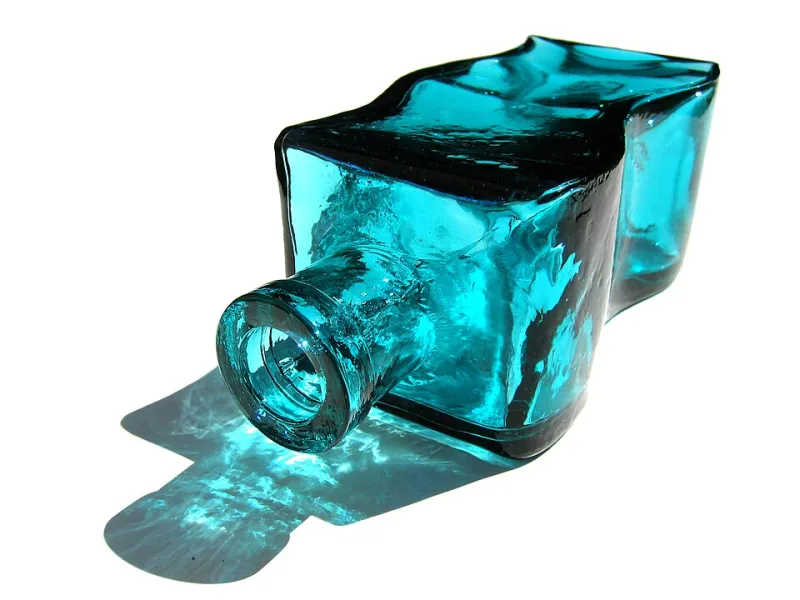
Photo: Matthew Bowden www.digitallyrefreshing.com, Attribution, via Wikimedia Commons
There's a bottle of vanilla extract sitting in your cabinet right now. Maybe you bought it eight months ago, maybe two years ago. And here's the thing — there's a decent chance it actually tastes better today than the day you brought it home.
That idea goes against almost everything we instinctively believe about food. We're trained to check dates, rotate stock, and toss anything that's been sitting around. But concentrated flavors operate by their own rules. Some improve dramatically with time. Others fall apart faster than you'd expect. And the difference comes down to some pretty fascinating chemistry that's worth understanding if you're serious about flavor.
Why Concentrates Age Differently Than Regular Food
The short answer is density. When you strip away water and bulk from a flavor source — whether through distillation, reduction, or maceration — what you're left with is an intensely packed environment of flavor compounds, aromatic molecules, and reactive ingredients. In that concentrated state, the normal rules of food spoilage slow way down, but the rules of flavor development speed way up.
Oxidation, esterification, and molecular bonding all happen more actively in a high-concentration environment. Sometimes that's a good thing. Sometimes it's the reason your citrus extract starts tasting more like furniture polish than fresh-squeezed orange.
Knowing which category your concentrate falls into isn't just nerdy trivia — it's the difference between buying in bulk confidently and wasting money on something that peaked before you even opened it.
The Concentrates Worth Cellaring
Vanilla Extract and Its Cousins
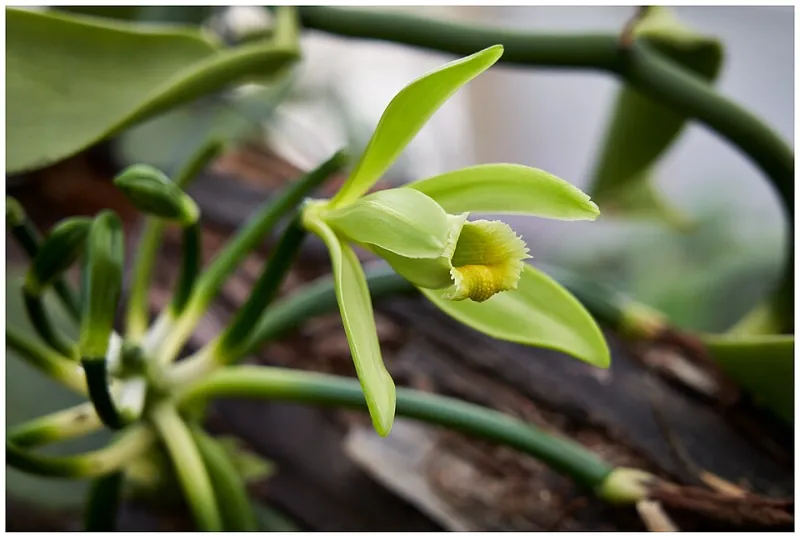
Pure vanilla extract is arguably the poster child for beneficial aging. The vanillin compounds in cured vanilla beans continue to develop and integrate with the alcohol carrier over time. The sharp, almost medicinal edge you sometimes notice in a freshly made extract softens. The flavor rounds out. Most serious bakers will tell you that a bottle of pure vanilla extract that's been sitting in a cool, dark cabinet for 18 months is noticeably better than one that's three months old.
The same principle applies to other alcohol-based extracts like almond, anise, and peppermint — though to a lesser degree. The alcohol acts as a preservative and a slow-motion flavor integrator.
Whiskey and Barrel-Aged Concentrates
This one almost goes without saying, but it's worth spelling out. Any concentrate that's been developed from or inspired by barrel-aging processes continues to evolve post-production. The compounds responsible for that toasted oak, vanilla, and caramel complexity — primarily lignin derivatives — keep interacting with other flavor molecules in the bottle. If you've got a high-quality whiskey-forward concentrate or a bourbon extract, don't rush it. Give it six months to a year in a sealed, cool environment and taste the difference.
Fermented and Cultured Concentrates
Things like concentrated miso pastes, fish sauce reductions, and fermented black garlic concentrates benefit from continued low-level fermentation activity even after production. The umami depth in these products often increases over the first year of storage, as long as they're kept properly sealed and refrigerated after opening. The flavor becomes more cohesive, less sharp, and more complex — exactly what you want in a culinary building block.
The Concentrates That Are Already Past Their Best
Citrus Extracts and Zest-Based Concentrates
Here's the hard truth about that bottle of lemon extract you've been nursing for three years: the volatile aromatic compounds — specifically limonene and linalool — that make citrus smell and taste alive are among the most unstable flavor molecules in the concentrate world. They oxidize quickly, even in a sealed bottle. What starts as bright, zesty, and almost effervescent gradually becomes flat, slightly bitter, and weirdly medicinal.
For citrus concentrates, freshness is everything. Buy smaller quantities, use them within six to twelve months of opening, and store them somewhere genuinely cool and dark. A drawer next to the stove is not that place.
Floral Extracts
Rose water, lavender extract, elderflower concentrate — these are beautiful, delicate, and deeply impatient. The aromatic compounds responsible for floral flavor are extremely volatile and prone to oxidation. An open bottle of elderflower concentrate that's been sitting for 18 months isn't going to taste like flowers anymore. It's going to taste like a memory of flowers, and not a great one. Buy floral concentrates in sizes you'll actually use within a year.
Heat-Extracted Spice Concentrates
Chili, black pepper, and ginger concentrates produced through heat extraction have a faster clock than you might think. The capsaicin and piperine compounds that deliver heat are relatively stable, but the aromatic top notes — the stuff that makes fresh ginger taste like ginger and not just hot — degrade faster. You'll keep the fire but lose the flavor. Use these within a year of opening.
The Variables That Control Everything
None of this aging behavior happens in a vacuum. Three factors determine whether your concentrate ages gracefully or falls apart:
Light exposure is the biggest villain. UV light accelerates oxidation across almost every flavor category. Dark glass bottles exist for a reason. Keep your concentrates in a cabinet, not on a pretty open shelf where the sun can hit them.
Temperature consistency matters more than absolute temperature. A concentrate stored at a steady 65°F is going to fare better than one that swings between 55°F and 80°F as your kitchen heats up and cools down with the seasons. Fluctuation causes expansion and contraction in the liquid, which accelerates molecular breakdown.
Oxygen exposure after opening is the point where most home cooks lose the battle. Every time you open a bottle, you introduce fresh oxygen. Tight seals, minimal headspace, and prompt recapping make a meaningful difference — especially for citrus and floral products.
A Simple Framework for Your Pantry
Think of your concentrates in three buckets: cellar candidates (pure vanilla, bourbon and whiskey-based, fermented umami concentrates), use-it-fresh products (citrus, floral, fresh herb concentrates), and middle-ground items (most spice concentrates, nut-based extracts) that are reasonably stable but don't necessarily improve with age.
Buying in bulk only makes sense for that first category. For the rest, smaller quantities purchased more frequently will almost always deliver better flavor than a big bottle you're trying to stretch over two years.
Concentrated flavor is, by definition, a lot of something packed into a small space. Treat it with the same intentionality you'd give a good bottle of wine or a piece of aged cheese, and it'll reward you every time you reach for it.