The Smart Concentrate Shopping Guide: Where Every Dollar Goes Furthest
Photo: Shixart1985, CC BY 2.0, via Wikimedia Commons
Walk into any serious home cook's pantry and you'll notice something: they don't have everything, but what they do have gets used constantly. The same principle applies directly to concentrates and extracts. Buying the right ones — the ones with high versatility, long shelf life, and genuine cost-per-use value — is a skill that separates cooks who feel like they're always running to the store from those who can pull off something impressive on a Tuesday night with what's already on hand.
This isn't about spending more. It's about spending smarter. Here's how to think about concentrate investments the way culinary professionals actually do.
Start With a Cost-Per-Use Calculation
The sticker price on a bottle of concentrate tells you almost nothing useful. A $14 bottle of high-quality vanilla paste used in a quarter-teaspoon increments across 80 recipes costs you about 17 cents per use. A $6 bottle of artificial vanilla flavor that you have to use in tablespoon quantities to get any real impact might cost you more per recipe and deliver a worse result.
Before you buy any concentrate, do a quick mental calculation:
- How much do I need per recipe?
- How many recipes will I realistically make before it expires?
- What's the flavor impact relative to alternatives (fresh ingredients, lower-quality options)?
This framework immediately separates the genuinely economical concentrates from the ones that just look cheap on the shelf.
The Tier-One Investments: Concentrates That Earn Their Keep
Pure Vanilla Extract or Paste
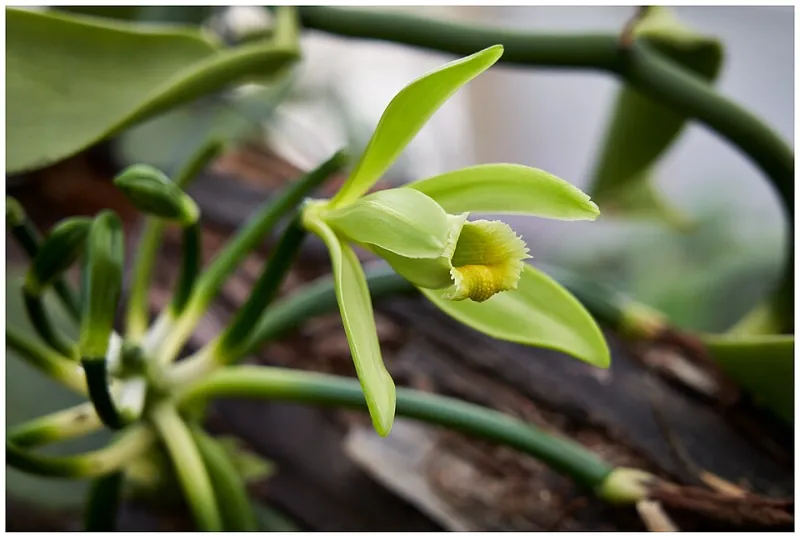
This is the single best concentrate investment for most American home cooks, full stop. Vanilla touches baked goods, desserts, breakfast items, beverages, and even some savory applications. A quality pure extract — not imitation — delivers a flavor complexity that genuinely elevates everything it touches.
For baking-heavy households, vanilla paste is worth the slight premium over extract. The paste form contains actual vanilla bean seeds, which means better flavor distribution and that recognizable speckled appearance in custards, ice creams, and frostings. A 4-ounce jar typically runs $12–$18 and will last a year or more with regular use.
Shopping tip: Costco and warehouse clubs periodically stock pure vanilla extract in larger formats at dramatically better per-ounce pricing. When you see it, buy it.
Tomato Paste Concentrate
This one often gets overlooked in concentrate conversations because it lives in the pantry staples aisle rather than the extracts section — but it's one of the highest-ROI flavor investments you can make. A small can of quality double-concentrated tomato paste adds depth, umami, and body to pasta sauces, braises, soups, and even spice rubs.
The key is buying the tube format rather than the can. Tubes allow you to use a tablespoon at a time and refrigerate the rest, whereas cans require you to either use the whole thing or deal with storage. A tube costs $2–$4 and can last six months in the fridge. That's a lot of flavor for very little money.
Fish Sauce and Soy Sauce Concentrates
Both of these are technically fermented concentrates, and both punch enormously above their price point in terms of umami delivery. A bottle of quality fish sauce ($4–$8) or a premium soy sauce ($5–$12) will show up in dozens of dishes across multiple cuisines — Vietnamese, Thai, Japanese, Chinese, and increasingly in American fusion and barbecue contexts.
For maximum versatility, consider a dark soy sauce for color and depth, plus a lighter variety for seasoning. The combination covers most applications and the bottles last a long time even with regular use.
The Tier-Two Investments: Situational but High-Value
Citrus Oils and Concentrates
Fresh citrus is wonderful, but it's seasonal, perishable, and inconsistent. A small bottle of food-grade lemon oil or a high-quality orange concentrate gives you reliable, intense citrus flavor year-round without the waste of buying whole fruit just for zest.
Lemon oil in particular is a remarkable value. You're typically using it in drop quantities, so a $10–$15 bottle can last years. It works in baked goods, salad dressings, pasta, marinades, and cocktails. If you cook Italian food with any regularity, this belongs in your pantry.
Concentrated Mushroom or Vegetable Stock
Better Than Bouillon and similar concentrated paste-format stocks have genuinely disrupted the home cooking landscape over the past decade. A single jar of mushroom or roasted garlic concentrate ($5–$8) replaces multiple cartons of boxed stock, takes up almost no space, and lasts far longer in the fridge.
For vegetarian and vegan cooking especially, a good mushroom concentrate is transformative — it adds the savory depth that plant-based dishes often struggle to achieve naturally.
Almond Extract
Almond extract is chronically underused in American baking, which is a shame because it's one of the most cost-effective flavor boosters available. A small bottle ($4–$6) lasts for years and a quarter teaspoon adds a sophisticated, almost floral depth to cookies, cakes, and pastries. It pairs exceptionally well with stone fruits, chocolate, and vanilla — making it a natural complement to concentrates you're probably already using.
What Not to Buy (At Least Not Yet)
Not every specialty concentrate deserves pantry real estate if you're being strategic. Highly specific extracts — single-use flavor compounds like black walnut, anise, or rum extract — often make sense only if you have a specific recipe in mind that you'll make repeatedly. Buying them speculatively leads to the graveyard shelf of rarely opened bottles that every home cook eventually accumulates.
Similarly, ultra-premium artisan extracts (there are some beautiful small-batch options available) are worth the splurge for applications where flavor is the centerpiece — a vanilla-forward custard, a lemon tart — but overkill for everyday baking where subtlety gets lost anyway.
Building the Strategic Pantry
If you were starting from scratch and wanted to build the most versatile, highest-value concentrate pantry for under $75, here's a practical starting lineup:
- Pure vanilla extract or paste: $14–$18
- Double-concentrated tomato paste (tube): $3–$4
- Fish sauce: $5–$7
- Dark soy sauce: $5–$8
- Lemon oil or citrus concentrate: $10–$14
- Mushroom or vegetable concentrate paste: $6–$8
- Almond extract: $4–$6
That's roughly $47–$65 for a collection that covers baking, savory cooking, Asian cuisine, Italian applications, and beyond. Most of these will last a year or more with regular use, which means your actual annual cost is very manageable.
The Professional Mindset
Chefs at restaurant level think about ingredients in terms of yield, versatility, and consistency — not just upfront cost. A concentrate that performs reliably, lasts through a full season, and crosses multiple menu applications is worth far more than something cheaper that only works in one context.
Applying that same logic at home doesn't require a culinary degree or a big budget. It just requires a little intentionality about what earns a spot in your pantry and what doesn't. The concentrates that make that cut will quietly transform your cooking — one dish at a time.