When Fresh Wins: The Honest Guide to Knowing Which Concentrates to Skip
We're going to say something that might feel a little strange coming from a food site built around concentrated ingredients: sometimes fresh is just better. Not always. Not even most of the time. But sometimes.
That's not a contradiction — it's honesty. And if you've been cooking seriously for any length of time, you already know that the best kitchens aren't dogmatic. They're strategic. The chefs who get the most out of concentrated flavors are also the ones who know exactly where to draw the line.
So let's draw it together.
The Promise (And the Real Limits) of Concentration
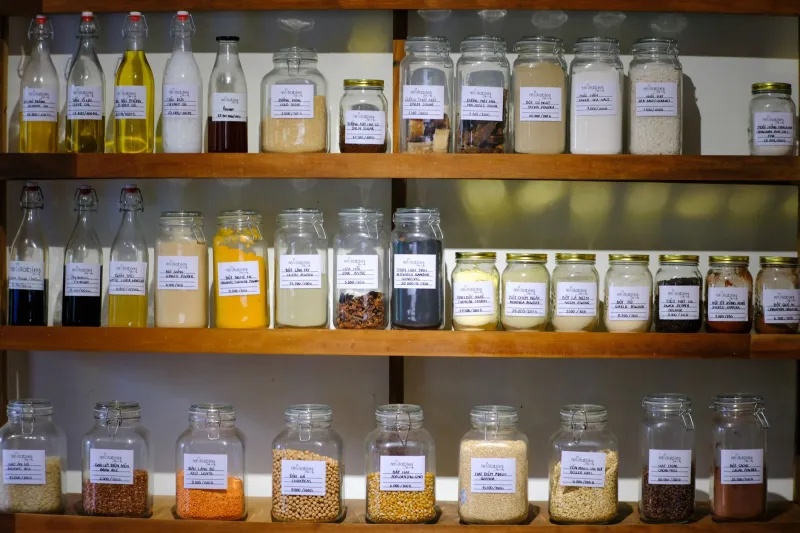
Concentration is essentially a preservation and intensification process. Water gets removed, volatile compounds get stabilized, and what remains is a shelf-stable, potent version of the original flavor. For applications where you need consistency, longevity, or sheer punch — think vanilla in a cake batter, tomato paste in a braise, or citrus oil in a cocktail — concentrates are genuinely hard to beat.
But here's the thing: the process that makes concentrates so useful also changes them. Heat, pressure, and time all affect the delicate top notes that make certain fresh ingredients sing. What you gain in stability and intensity, you sometimes lose in brightness, complexity, or what chefs call "lift" — that high, fleeting quality that hits your nose before the flavor even lands on your tongue.
For some dishes, that trade-off is invisible. For others, it's the whole ballgame.
The Chefs Who Walked It Back
Marcus Hale runs a farm-to-table restaurant outside Asheville, North Carolina, and he's as ingredient-obsessed as they come. He uses concentrated tomato products extensively in his winter menu, swears by mushroom powder for his umami base, and keeps a rotating selection of citrus extracts behind the line. But a few years ago, he made a deliberate decision to stop using concentrated herb products entirely.
"Fresh herbs at the right moment are doing something that no concentrate can replicate," he told us. "It's not about quality — some of those herb concentrates are excellent. It's about what the dish needs. When I finish a plate with torn basil or chiffonade mint, I'm adding a living, aromatic thing. That volatility is the point."
His take is shared by Priya Nair, a pastry chef in Chicago who spent years working in fine dining before opening her own dessert-focused café. She still relies on vanilla paste and citrus concentrates for her baked goods — "non-negotiable," she says — but she draws a hard line when it comes to fresh citrus zest as a garnish or finishing element.
"Zest added at the end of a dish, right before it goes out? That's not just flavor. That's aroma, texture, color. You're engaging all the senses at once. No oil or extract is going to do that the same way."
The Applications Where Fresh Consistently Outperforms
Based on conversations with chefs and our own testing, a few categories emerge where fresh ingredients reliably outperform their concentrated counterparts.
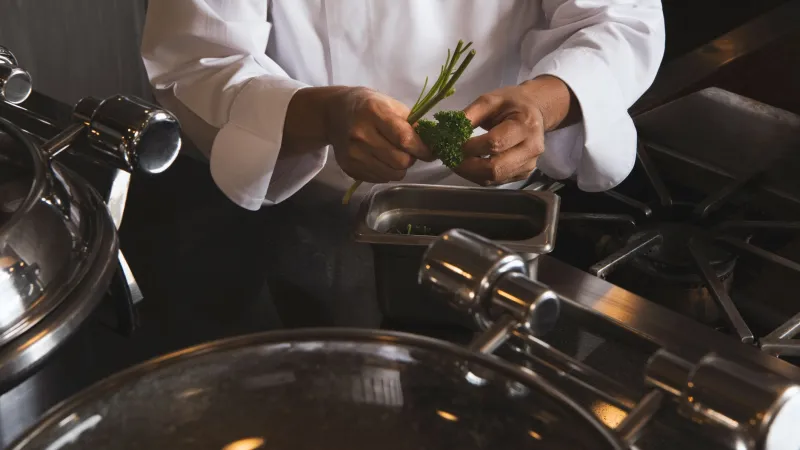
Fresh herbs as a finishing element. Basil, cilantro, mint, tarragon — when these go on at the very end of cooking, they contribute volatile aromatic compounds that dissipate almost immediately. That's the point. Concentrated herb products work beautifully in a dish during cooking, but they can't replicate the sensory experience of fresh herbs added at the last second.
Citrus zest as texture and garnish. Citrus oils and extracts are phenomenal for baking and beverages, but fresh zest adds something concentrates simply can't: physical texture, visible color, and an intensely fresh aroma that hasn't been processed at all. If zest is a garnish or a key textural element, reach for the real thing.
Raw alliums in fresh preparations. Freshly minced garlic or shallots in a vinaigrette, raw onion in a pico de gallo, sliced scallions on a bowl of ramen — these ingredients are doing structural and textural work that concentrated garlic or onion products aren't designed for. The bite, the crunch, the sharpness that softens on your palate: that's all fresh.
High-water-content vegetables in salads and raw dishes. Cucumber, tomato, fennel — when these are the star of a dish, not an ingredient in one, their water content and cell structure are part of the experience. There's no concentrate equivalent for a perfectly ripe summer tomato eaten out of hand.
The Strategic Framework: Ask These Questions First
Rather than defaulting to one camp or the other, the most useful thing you can do is develop a simple decision framework. Before reaching for a concentrate or a fresh ingredient, ask:
Is this ingredient doing textural work? If yes, fresh usually wins. Concentrates are flavor delivery systems — they're not structural.
Will it be cooked or raw? Cooking destroys much of what makes fresh herbs and aromatics special. If an ingredient is going into a braise, a sauce, or a baked good, the playing field levels considerably — and concentrates often win on consistency and convenience.
Is aroma the primary contribution? Fresh herbs and zest added at the finish are almost entirely about aroma. If that's what you're after, fresh is doing something concentrates can't replicate.
How much does consistency matter? If you're cooking the same dish repeatedly and need it to taste identical every time — for a dinner party, a restaurant, or meal prep — concentrates offer reliability that fresh ingredients, with their natural variability, simply can't guarantee.
What's your timeline? Fresh ingredients have a window. Concentrates don't. If you're working ahead or building a pantry for flexible use, concentrates almost always make more practical sense.
The Pantry That Does Both
The honest answer to "concentrates or fresh?" is almost always "both, strategically." The most capable home cooks and professional kitchens we know don't treat this as an either/or question. They keep a solid foundation of concentrated pantry staples — vanilla, citrus extracts, tomato paste, mushroom powder, herb-infused oils — and they buy fresh intentionally, for the specific applications where freshness is genuinely irreplaceable.
That's the real sophistication here. Not loyalty to a philosophy, but clarity about what each ingredient is actually doing in a dish.
Know your concentrates. Know when to put them down. Your cooking gets better the moment you stop treating either option as the default and start treating both as tools with specific jobs.
And honestly? The fact that you're asking the question at all means you're already most of the way there.