What Stays, What Goes: A Serious Cook's Guide to Auditing the Concentrate Collection
There's a particular kind of guilt that lives inside a pantry. It's the guilt of the half-used bottle you paid too much for, the specialty extract you bought for one recipe and never touched again, and the aged vinegar reduction you're not quite sure is still good but can't bring yourself to throw out. If you cook seriously—or even just ambitiously—that guilt is probably stacked two rows deep.
But here's the thing: not all of those bottles deserve the same fate. Some concentrates genuinely age into something better. Others hit a wall after six months and slowly become a shadow of what they were. Knowing which is which isn't just about saving shelf space. It's about understanding what you've actually got, what's worth protecting, and what's just taking up real estate.
The Concentrates That Earn Heirloom Status
In serious kitchens—both professional and home—certain concentrated ingredients develop a kind of institutional memory. Chefs hold onto them not just because they're useful, but because they're hard to replace.
High-quality aged balsamic reductions are the obvious example. A true barrel-aged reduction, concentrated down from years of evaporation, doesn't just stay stable—it continues developing complexity in the bottle. The sugars deepen. The acidity rounds out. A bottle you bought three years ago and stored properly is very likely better today than when you first cracked the seal.
The same logic applies to certain nut oils that have been cold-pressed and concentrated, quality vanilla paste (not extract, but paste—the stuff with actual bean specks), and some artisanal fruit molasses products. These aren't just shelf-stable. They're actively improving under the right conditions: cool, dark, sealed tight.
The rule of thumb worth committing to memory: if the original ingredient ages well in its natural form, there's a good chance a quality concentrate made from it will too. Think wine reductions, aged cheese concentrates, miso pastes, and certain smoked or fermented flavor bases.
What Deteriorates Faster Than You Think
Now for the harder conversation.
Many concentrates—even ones you paid serious money for—have a shorter peak window than their shelf life technically suggests. Shelf life and flavor life are not the same thing. A product can be safe to consume well past its printed date while delivering maybe 40% of the flavor punch it had when you first opened it.
Citrus concentrates are among the biggest offenders here. The volatile compounds that make a good yuzu or Meyer lemon concentrate sing are also the first things to go. Heat, light, and even repeated opening accelerates the breakdown. If your citrus concentrate has been hanging around for more than a year and you haven't noticed a difference, taste it again against something fresh. You might be surprised.
Delicate floral extracts—lavender, rose, elderflower—follow a similar pattern. These are beautiful when they're alive, but they fade. The aromatic compounds that give them their character aren't built to last indefinitely, no matter how well-sealed the bottle.
Herb-based concentrates (basil, tarragon, chervil) can also deteriorate quickly once opened, especially if they're oil-based. Oxidation is the enemy, and it's patient.
The Pantry Audit, Done Right
Auditing a concentrate collection doesn't have to be a weekend project. But it does require more than just checking dates.
Start by pulling everything out. Yes, everything. Line the bottles up and actually look at them. Separation, cloudiness, color change, and crystallization aren't always bad signs—but they're signals worth reading. A vanilla paste that's thickened slightly is probably fine. A citrus syrup that's gone from bright amber to murky brown is a different story.
Next, smell before you taste. Your nose is a faster and more reliable instrument than your eyes. A concentrate that's lost its top notes—the bright, volatile aromatics that hit you immediately—has lost something it can't get back. If it smells flat, it will taste flat.
For anything you're genuinely unsure about, do a side-by-side. Make a small batch of something simple—a vinaigrette, a glaze, a quick sauce—with the questionable concentrate and compare it to the same thing made with a known-good ingredient. If there's no meaningful difference in the final dish, the concentrate still has life. If the dish falls flat, you have your answer.
The Ones Worth Protecting
Once you've identified your keepers, treat them accordingly. The concentrates that are genuinely aging well deserve better than a crowded cabinet shelf next to the stove.
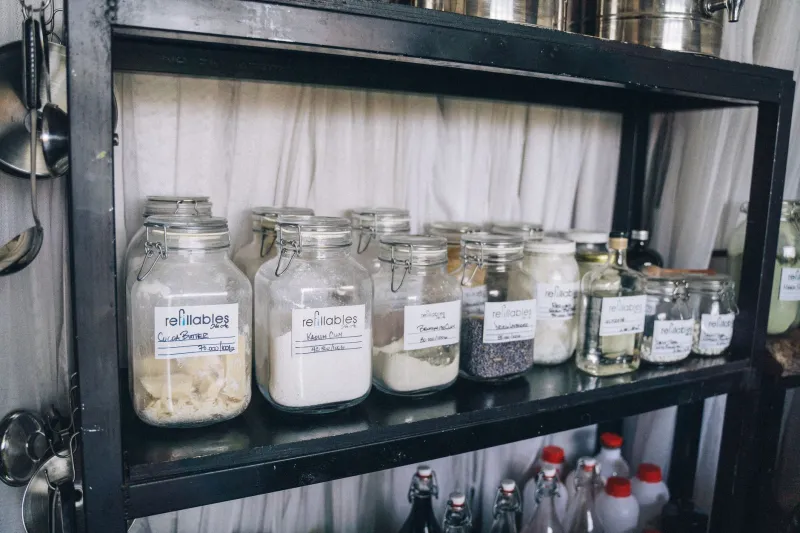
Invest in a small dedicated storage area—a cool drawer, a lower cabinet away from heat, even a dedicated shelf in a basement or pantry closet. Temperature consistency matters more than coldness. Fluctuating temperatures are what accelerate degradation in most concentrated ingredients.
For the real heirlooms—the aged reductions, the specialty fermented bases, the single-origin extracts you'd be heartbroken to lose—consider keeping a simple log. Note when you opened them, what you used them for, and what you noticed about the flavor. It sounds fussy, but it quickly becomes useful when you're trying to decide whether something is past its prime or just different.
Why This Actually Matters
A pantry full of concentrates that are past their best isn't just wasteful—it actively messes with your cooking. You're calibrating your palate and your recipes against ingredients that aren't performing the way they should. That can create a kind of flavor drift, where dishes slowly stop hitting the way they used to and you can't figure out why.
The cooks who treat their concentrate collections with the same intentionality they bring to their fresh ingredients cook better food. Not because they spend more, but because they know exactly what they're working with at any given moment.
Keep the heirlooms. Let go of the ghosts. And taste everything before you trust it.